
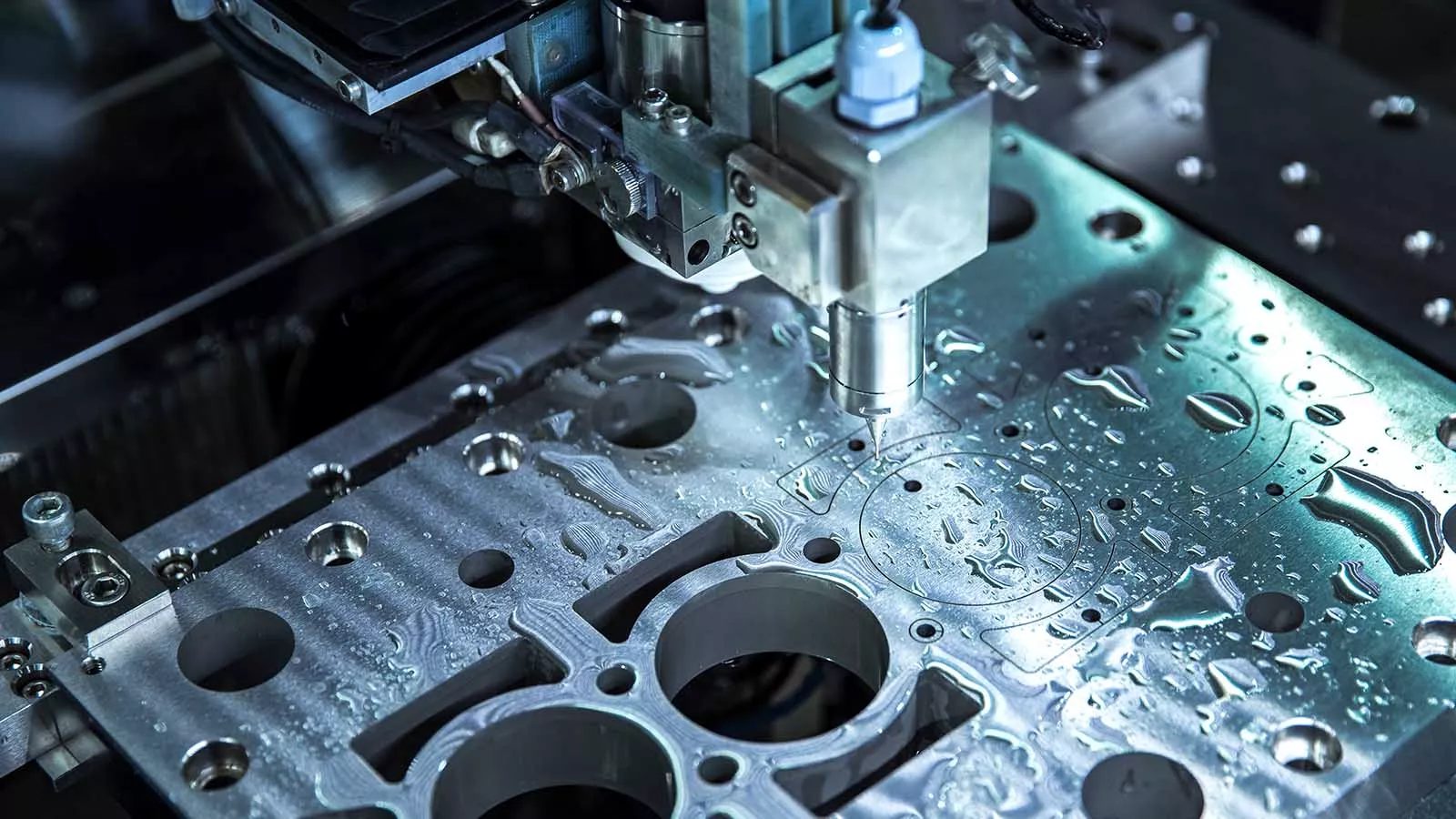
ENGINEERED SEALING SOLUTIONS
Mechanical Seal Solutions Designed Around Your Operating Conditions
Every application is different. JUTAI helps you identify suitable mechanical seal designs and material combinations based on your medium, temperature, pressure, equipment and operating conditions.
START WITH YOUR CHALLENGE
What Is Your Sealing Challenge?
Choosing a mechanical seal starts with understanding the equipment, process fluid and operating conditions—not simply choosing a part number.
High Temperature
Which face and secondary-seal materials should be evaluated for hot process fluids?
High Pressure
How do pressure, speed and seal design affect the selection?
Corrosive Media
How can compatibility be checked for all wetted components?
Special Conditions
Would a standard seal or a customized configuration be more suitable?
Short Service Life
What should be checked when leakage, wear or maintenance repeats?
A STRUCTURED APPROACH
How We Develop Your Seal Solution
We clarify the application first, then evaluate materials and configuration against the information provided.
Understand Requirements
Equipment, fluid, current seal and the problem to solve.
Analyze Conditions
Temperature, pressure, speed, solids and operating cycle.
Evaluate Materials
Seal faces, elastomers, springs and metal components.
Confirm Configuration
Dimensions, arrangement and specification requirements.
Produce to Agreement
Manufacturing and inspection against the confirmed requirements.
MATERIALS MATTER
Mechanical Seal Material Selection Guide
The right choice depends on the complete application. The notes below are a starting point for technical discussion, not a substitute for compatibility verification.
| Material | Typical characteristics | What to verify |
|---|---|---|
| Silicon Carbide (SiC) | High hardness and wear resistance; properties vary by grade and manufacturing route. | Grade, corrosion compatibility, thermal shock and lubrication conditions. |
| Tungsten Carbide (WC) | High strength and wear resistance; the binder can affect corrosion performance. | Binder type, fluid chemistry, concentration and wear conditions. |
| Carbon Graphite | Low-friction sealing-face material; grade and impregnation are important. | Impregnant compatibility, fluid lubricity, temperature and dry-running risk. |
| Alumina Ceramic (Al₂O₃) | Hard and wear-resistant, but can be sensitive to impact and thermal shock. | Chemical environment, temperature cycling and mechanical loading. |
| Stainless Steel / Duplex | Metal-part performance depends on the exact alloy and environment. | Chlorides, concentration, temperature, corrosion mechanism and strength needs. |
| Elastomers: NBR / EPDM / FKM / FFKM | Different compounds suit different fluids and temperature ranges. | Exact compound, fluid composition, concentration, temperature and cleaning agents. |
Engineering note: temperature bands and pressure limits cannot be assigned from material names alone. Confirm exact material grades, seal design, fluid compatibility and supplier-rated operating limits before final selection.
APPLICATION-LED SUPPORT
Solutions for Different Industries
Industry knowledge helps frame the questions. Final recommendations must still be based on the actual process conditions and equipment.

Oil & Gas
Review process-fluid compatibility, pressure, temperature and leakage-control requirements.

Chemical & Petrochemical
Check fluid composition, concentration and the compatibility of all wetted materials.

Water & Wastewater
Consider solids, corrosion, intermittent operation and suitable flushing arrangements.

Power Generation
Assess thermal conditions, pressure, operating cycles and continuous-duty requirements.
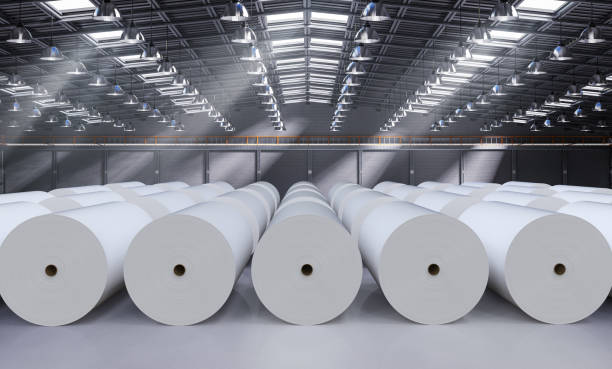
Pulp & Paper
Evaluate fibrous solids, abrasive wear, deposits and flushing needs.
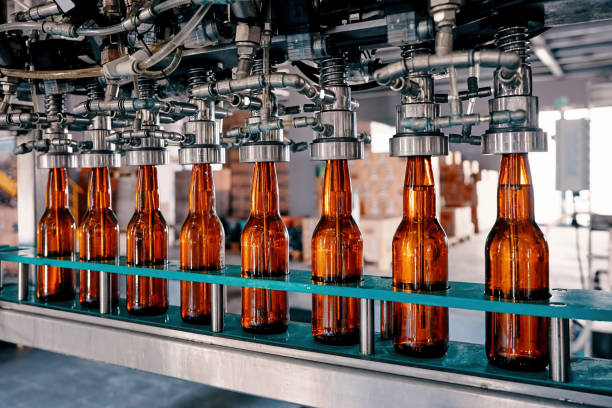
Food & Beverage
Review process and cleaning fluids, hygiene standards and customer specifications.
ROOT-CAUSE THINKING
Let’s Investigate the Cause, Not Just the Symptom
Repeated seal failure often has more than one contributing factor. A useful review considers the full operating system.
Repeated Leakage
Review face lubrication, installation, shaft movement, pressure, vibration, elastomer compatibility and flush conditions.
Premature Abrasive Wear
Check particle size, solids concentration, face damage, operating stability and whether the flush arrangement is suitable.
Elastomer Deterioration
Confirm fluid composition, concentration, temperature and cleaning chemicals before selecting a compound.
Short Service Life at High Temperature
Assess heat generation, lubrication, pressure, speed and the limits of every seal component.
These are illustrative troubleshooting scenarios, not claims of specific completed customer projects. Diagnosis requires application details and, where possible, inspection of the failed parts.
FLEXIBLE SUPPLY OPTIONS
Customization Built Around Your Requirements
We work from the information available and clarify missing details before confirming the proposed specification.
OEM & Drawing Review
Compare drawings, dimensions, equipment interfaces and existing seal references.
Material Evaluation
Review face materials, elastomers, springs and metal components for the duty.
Configuration Review
Evaluate seal arrangement and installation requirements against the application.
Specification Confirmation
Clarify the agreed technical details before production and inspection.
CLEAR COMMUNICATION
From Inquiry to Delivery
A straightforward process helps both sides confirm the right requirements early.
Inquiry
Share your application, drawing or current seal reference.
Technical Discussion
Clarify working conditions and missing information.
Proposal & Quotation
Review the specification, price and lead time.
Production & Inspection
Follow the confirmed requirements and agreed checks.
Delivery & Follow-up
Coordinate shipment and respond to follow-up questions.
LET’S DISCUSS YOUR APPLICATION
Get Your Custom Mechanical Seal Solution
Tell us what you are sealing and how your equipment operates. If you do not know the exact seal model, share the information you have—we can clarify the next steps together.
- Equipment model or seal drawing
- Process medium and concentration
- Operating temperature and pressure
- Shaft speed and current sealing issue
Ready to discuss your requirements?
Use your website’s native inquiry form here, or connect this section to your configured contact form / CRM.
Email Your RequirementsReplace the email address in the button with your real business email before publishing.